The animal
The loggerhead in Laganas Bay: nesting and what the park protects
What a loggerhead sea turtle is, why Laganas Bay matters to it and what the nesting season means for a visitor on a boat.
Pick your date on the water ↗Quick answer
The loggerhead sea turtle, Caretta caretta, nests on six beaches around Laganas Bay, and the National Marine Park of Zakynthos protects the bay. Females lay eggs at night from May to August, which is why the beaches have strict rules, why boats must keep their distance and why visitors are asked never to touch a hatchling.
The animal
Wikipedia calls the loggerhead the world's largest hard-shelled turtle and says its name refers to its large head. Adults weigh roughly 80 to 200 kilograms and have shells about 70 to 95 centimetres long. They are omnivores that eat mostly bottom-dwelling animals such as whelks, conchs and bivalves, and they also eat jellyfish. Wikipedia lists the species as vulnerable on the IUCN scale.
Why this bay
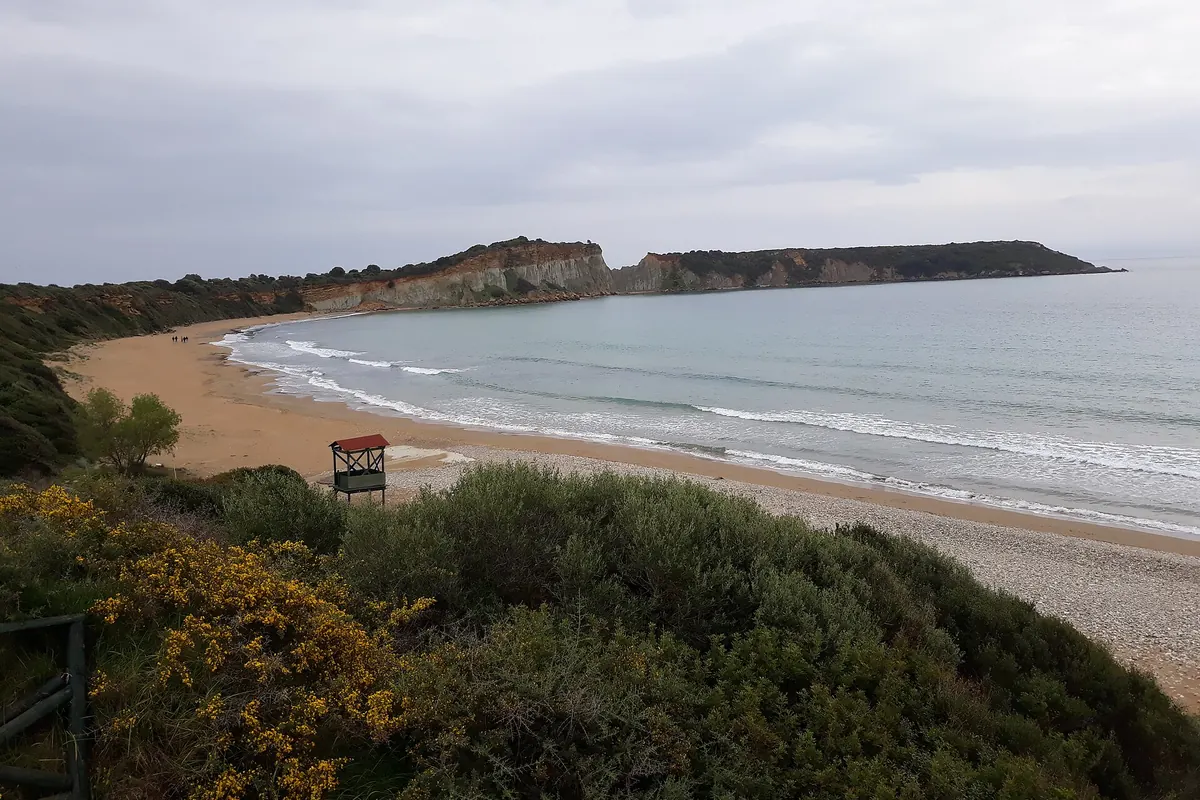
Wikipedia says Laganas Bay is the site of the first national marine park and a major nesting area for loggerheads. ARCHELON describes a bay of sandy beaches and clear water, one of the most important areas for loggerheads in the Mediterranean. Wikipedia lists six nesting beaches: Gerakas, Daphni, Sekania, Kalamaki, East Laganas and the islet of Marathonisi. Wikipedia says Sekania is rated among the world's highest loggerhead nesting concentrations, and ARCHELON calls it an Area of Absolute Protection.
How many nests
ARCHELON gives an average of 1,200 nests a year at the six beaches and says it has recorded and protected nests systematically since 1984. Wikipedia gives a range of roughly 900 to 2,000 nests a year, about 80 per cent of the Mediterranean loggerhead total. The figures differ by source and by year, so take them as an order of magnitude.
The nesting season
Wikipedia says females lay eggs at night from May to August. The article on the loggerhead says a female returns to lay at intervals of 12 to 17 days during the season, then pauses for two to three years before nesting again, and that eggs hatch after about 80 days. Wikipedia adds that the temperature of the nest decides the sex of the hatchlings, with warmer nests producing females.
Why the beaches have rules
ARCHELON lists the rules for the nesting beaches: visits are allowed in daylight only, vehicles, dogs and horses are prohibited, activity must stay within five metres of the sea, and nobody may be on the beach at night. It also says not to touch hatchlings and to let them reach the sea on their own. A local island guide adds that sunshades beyond five metres from the sea are forbidden and that digging in the dry sand is banned.
What this means on a boat
A boat trip sees the animals at sea, away from the nests. The turtles you may see are feeding or resting at the surface, and the code for watching them from a boat is designed to keep them undisturbed. Wikipedia says the Mediterranean is mainly a nursery for juveniles and a common feeding area for adults in spring and summer.
What loggerheads eat and how they dive
Wikipedia says loggerheads are omnivores that eat mostly bottom-dwelling invertebrates such as whelks, conchs and bivalves, and that they also take jellyfish and other floating prey while migrating. The same article says they can spend up to 85 per cent of a day underwater and stay submerged for more than ten hours. That diving habit is the reason a surfacing turtle is a matter of timing: the animal is up to breathe, then gone again.
From nest to sea
Wikipedia says hatchlings emerge after incubating for around 80 days and that the nest temperature decides their sex: eggs kept at 32 degrees Celsius become females, eggs at 28 degrees become males, and at 30 degrees the result is an even mix. It also says females nest on or near the beach where they hatched. ARCHELON asks visitors never to touch hatchlings and to let them reach the sea on their own, because the crossing of the sand is part of how they find the water.
The monk seal
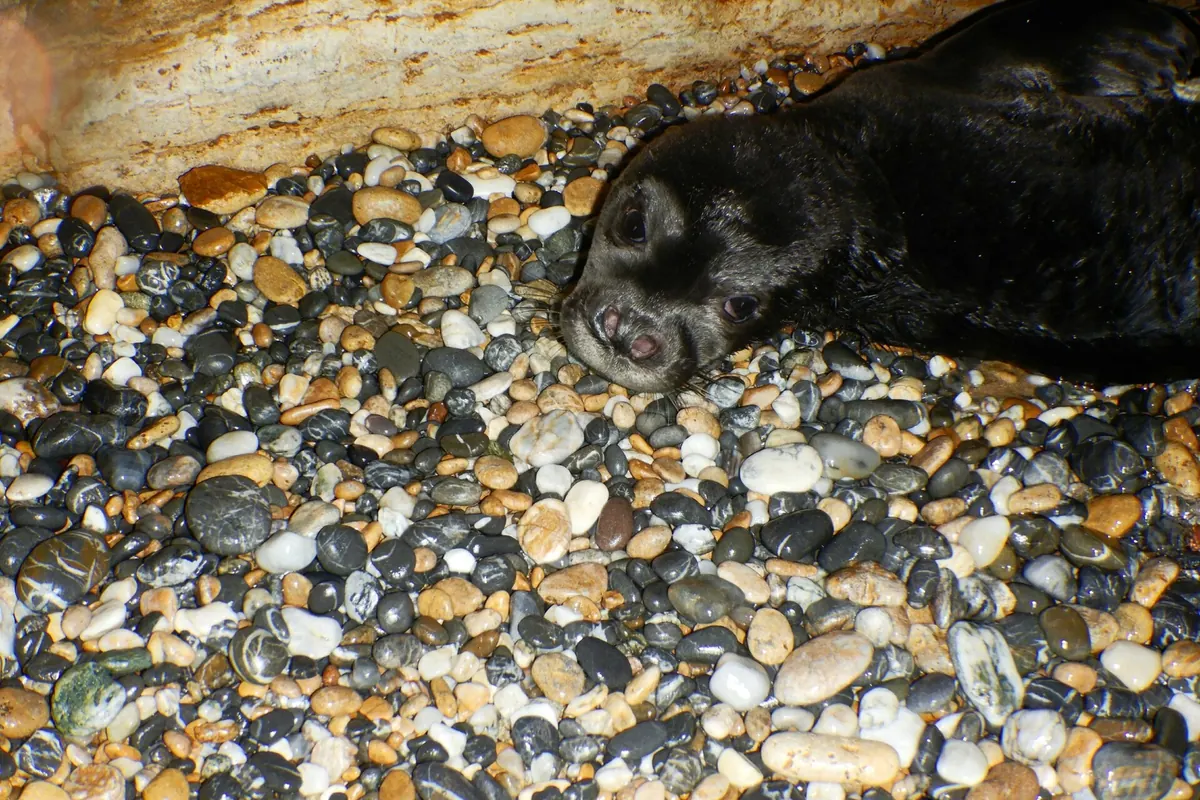
The park also protects the Mediterranean monk seal, which the booking page names. Wikipedia says pregnant seals typically use inaccessible undersea caves when giving birth. The booking page does not promise a seal sighting.
Frequently asked questions
What is a loggerhead turtle?
A large sea turtle, Caretta caretta, named for its large head. Adults weigh roughly 80 to 200 kilograms, says Wikipedia.
When do loggerheads nest on Zakynthos?
Wikipedia says females lay eggs at night from May to August.
How many nests are there?
ARCHELON gives an average of 1,200 a year at six beaches. Wikipedia gives a wider range.
Can I visit the nesting beaches?
In daylight and within the rules: ARCHELON says visits are for daylight hours and activity stays within five metres of the sea.
Should I touch hatchlings?
No. ARCHELON says to let them reach the sea on their own.
Sources